
External Control vs Internal Control Point Lights: A Complete Guide for Buyers
When sourcing LED point lights for architectural, landscape, or amusement projects, one of the most important decisions you will face is choosing between external control and internal control (also known as self-contained or standalone) point lights.
Both have their place. But understanding the difference can save you significant time, money, and installation headaches.
This guide explains how each type works, their pros and cons, and — based on real market trends — why internal control point lights are gaining popularity, especially among European buyers.
What Are Point Lights?
Point lights (also called pixel point lights or LED dot lights) are small, round LED fixtures used for:
Building facades and curtain walls
Signage and channel letters
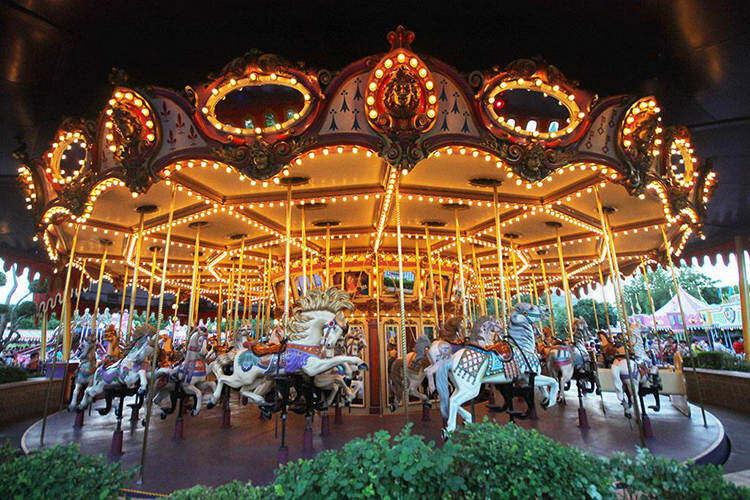
Amusement parks and attractions
Landscape and pathway lighting
Holiday and event decorations
They are available in single-color, RGB, and RGBW versions, with either external or internal control.
External Control Point Lights
External control point lights rely on a separate controller (e.g., DMX512 or SPI controller) to manage color, brightness, and effects.

Pros:
Unlimited effect possibilities (any animation can be programmed)
Synchronization across hundreds or thousands of lights
Easy to change effects without replacing lights
Cons:
Requires additional hardware (controller, signal cables)
More complex installation and setup
Higher overall system cost
Controller failure affects all connected lights
Internal Control Point Lights
Internal control point lights have a built-in IC and pre-programmed effects inside each light. They do not need an external controller to run animations.

Pros:
No controller required — plug and play
Simpler, faster installation
Lower overall system cost
Ideal for projects where complex programming is unnecessary
Each light operates independently; one failure does not affect others
Cons:
Effect options are limited to factory presets
Cannot be easily reprogrammed or synchronized with external systems
Less suitable for large-scale, professionally choreographed displays
Key Differences at a Glance

Market Trend: Why Internal Control Point Lights Are Gaining Popularity
Based on my experience in the LED industry, I have observed a clear shift — especially among European buyers — toward internal control point lights.
Why?
1. Simpler Installation
European projects often involve older buildings or complex architectural structures where running additional signal cables is difficult or costly. Internal control lights require only power — no controller, no data wires.
2. Lower Labor Costs
Installation labor is expensive. Reducing the time spent on wiring, controller setup, and addressing translates directly to lower project costs.
3. "Good Enough" Effects
For many applications — such as outlining a building, lighting a pathway, or decorating a small amusement ride — the built-in effects (chasing, fading, jumping) are perfectly sufficient. The added complexity of DMX programming is unnecessary.
4. No Programming Expertise Required
With external control, someone needs to program the controller. With internal control, you simply turn on the power — and the lights run their effects automatically.
My observation: More and more overseas buyers — particularly in Europe — are specifically requesting internal control point lights. They want the visual impact of chasing and color-changing effects without the hassle of controllers, addressing, and signal wiring.
This does not mean external control is obsolete. For large-scale, professionally synchronized displays (e.g., a 500-meter building facade or a theme park show), external control remains the standard. But for smaller, simpler projects, internal control is often the smarter choice.
Which One Should You Choose?
If your project involves... | Recommended type |
|---|---|
A small to medium building outline (under 200 lights) | Internal control — simpler, lower cost |
A path, garden, or small amusement ride | Internal control — quick installation |
A large building facade (500+ lights) | External control — for synchronization |
A professional show or stage setup | External control — for full programmability |
A project with no access to a lighting technician | Internal control — no programming needed |
A project where effects may change frequently | External control — reprogram anytime |
Summary
Aspect | External Control | Internal Control |
|---|---|---|
Best for | Large-scale, professional installations | Small to medium, quick-install projects |
Installation | Complex (controller + signal wiring) | Simple (power only) |
Cost | Higher | Lower |
Effect flexibility | Unlimited | Limited to presets |
Current trend | Stable | Growing rapidly (especially in Europe) |
Final Thoughts
Both external and internal control point lights have their place. The right choice depends on your project scale, budget, and desired level of control.
If you are a European buyer looking for a simple, cost-effective, plug-and-play solution — internal control point lights are likely the better fit. You get dynamic effects without the complexity of controllers.
If you are working on a large-scale, professionally choreographed display, external control remains the standard.
Looking for Point Lights for Your Next Project?
We offer both external and internal control point lights in various sizes (26mm to 60mm+), colors, and IP ratings. Tell us your project requirements, and we will recommend the right solution.
👉 Contact Us Today to discuss your project.